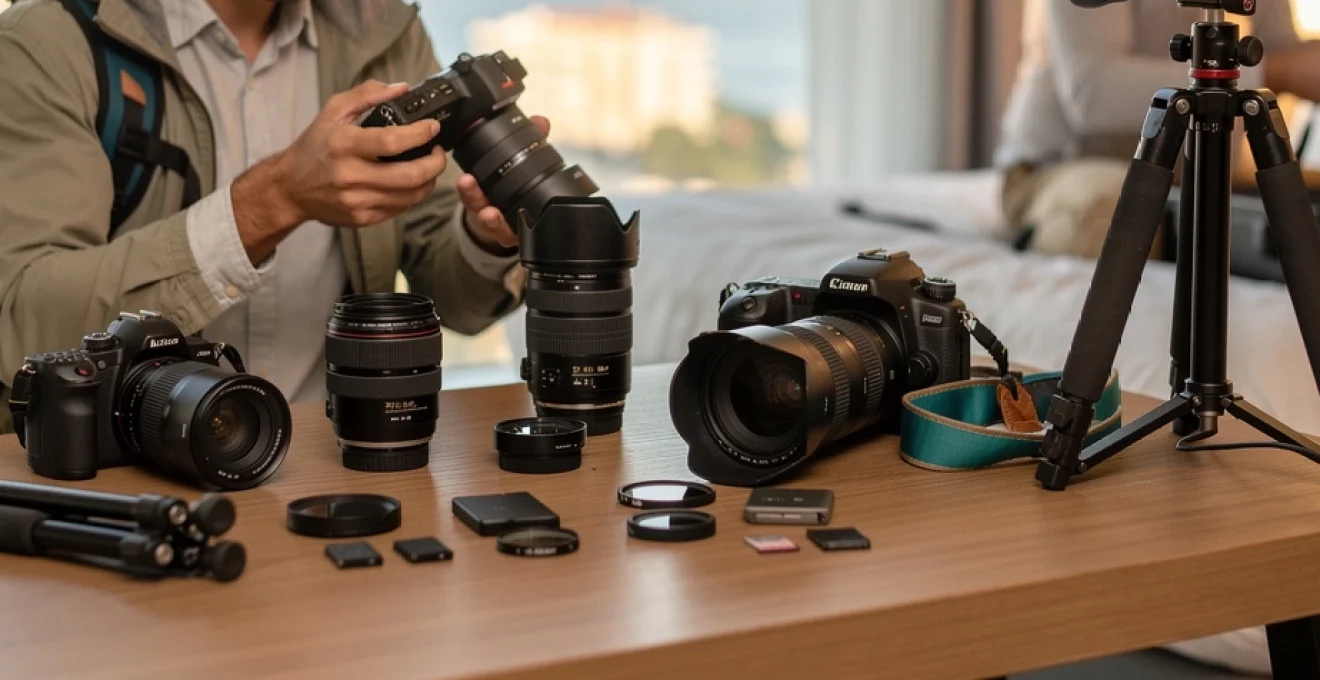
Choosing the best travel photography equipment is a complex task that more and more amateur travellers are trying to understand these days. More and more backpackers and travellers are investing their savings in photographic equipment to capture unforgettable moments during their travels around the world. The best travel photography equipment will depend on the type of photographs you want to take and the message you want to share. In addition to price and technical difficulties, weight and volume are other very important factors when choosing the travel photography equipment we will use on our trips. This article will help you save time, money and avoid unnecessary purchases by recommending the essential travel photography equipment to capture each of your adventures around the world.
Once you return home with hundreds or even thousands of images, organizing them becomes just as important as capturing them. Many travellers therefore also try to learn more about top photo organizers with facial recognition in 2026 to simplify photo management, automatically identify people in their pictures and keep their travel memories well organized.
THE BEST CAMERA TO TRAVEL WITH
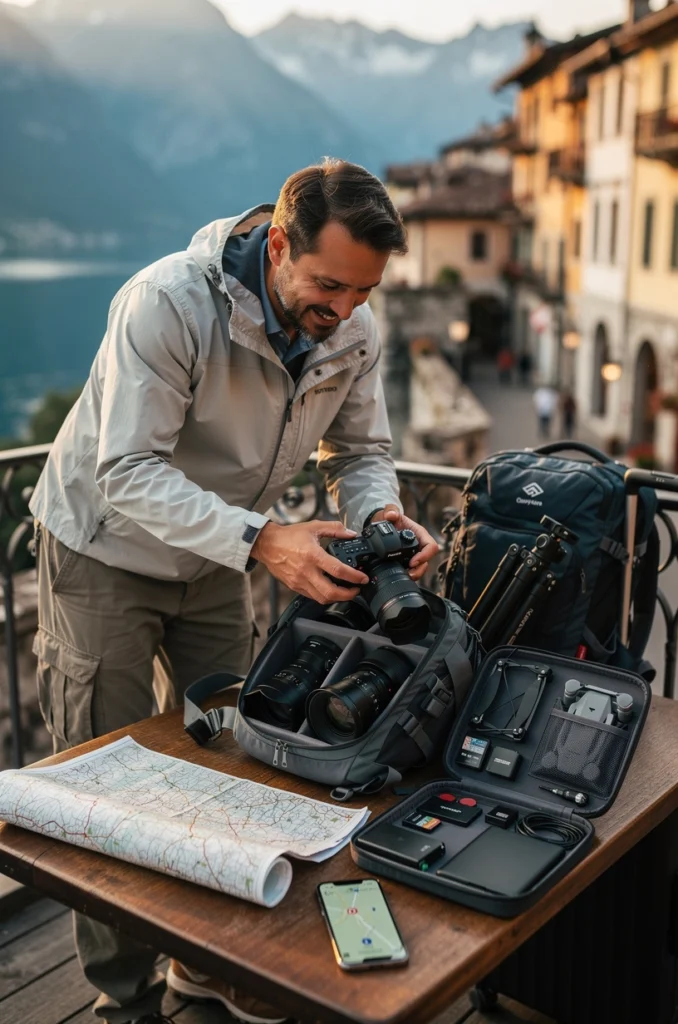
The latest generation of cameras used during travel includes smartphones, compact cameras and action cameras like GoPro. These devices have become increasingly powerful and convenient, making them attractive options for travellers who want to document their experiences without carrying bulky equipment. In many situations, they are perfectly capable of capturing memorable travel moments, especially for casual photography or social media sharing.
Today, travellers can choose from several types of cameras depending on their needs and travel style:
- smartphones, which are always accessible and easy to use
- compact cameras, small and practical for everyday travel photography
- action cameras such as GoPro for adventure sports and outdoor activities
- DSLR cameras with interchangeable lenses for high image quality and creative control
- mirrorless cameras that combine advanced performance with a lighter and more compact design
However, for photographers who want the highest image quality and greater creative flexibility, cameras with interchangeable lenses remain the preferred choice. These include DSLR cameras and mirrorless cameras, both of which allow photographers to change lenses depending on the situation, whether shooting landscapes, portraits or distant subjects.
The main differences between DSLR and mirrorless cameras generally relate to price, weight and size. DSLR cameras are often available at affordable prices, especially on the second-hand market, making them an interesting option for travellers who want strong performance without investing in the latest models. Mirrorless cameras, on the other hand, are increasingly popular because they offer excellent image quality in a smaller and lighter body, which can be a significant advantage when travelling long distances.
THE TYPE OF SENSOR
Another important factor to consider when choosing travel photography equipment is the type of sensor. The size of the sensor directly influences image resolution, brightness, depth of field and the speed of focusing. Understanding this element helps travellers choose equipment that fits both their photographic ambitions and the practical constraints of travelling, such as weight, portability and budget.
Crop sensors for amateur and travel photography
Crop sensors are commonly found in most amateur and semi-professional cameras. These sensors are smaller than full-frame sensors, which makes the cameras lighter, more compact and generally more affordable. For travellers who want good image quality without carrying heavy gear, cameras with crop sensors are often an excellent compromise.
Many travel photographers appreciate these sensors because they allow them to pack lighter equipment while still producing high-quality photos. For general travel photography — landscapes, street photography or daily travel memories — crop sensor cameras usually provide more than enough performance.
Full-frame sensors for higher image quality
Full-frame sensors are larger and can capture more light than cropped sensors. As a result, they usually produce images with better detail, improved dynamic range and better performance in low-light conditions when all other factors are equal.
Because of these advantages, full-frame sensors are commonly used in professional photography. Photographers who want to capture very high-resolution landscapes, night skies or complex lighting situations often prefer these sensors. However, cameras with full-frame sensors are typically more expensive and heavier, which may be a disadvantage for travellers trying to pack light.
Choosing the right sensor for your travel style
The best sensor for travel photography ultimately depends on your personal needs and travel habits. Some travellers prioritize portability, while others prefer maximum image quality.
When choosing between sensor types, travellers often consider several practical aspects:
- the weight and size of the camera body
- the budget available for camera equipment
- the type of photography they want to practice
- the lighting conditions they expect during their trip
- the importance of professional-level image quality
For many travellers, a crop sensor camera represents a balanced solution between performance and portability. However, photographers who focus on advanced photography techniques or professional results may prefer the advantages of a full-frame sensor despite the extra cost and weight.
BRIGHTNESS
Another factor to consider when purchasing a new lens will be the brightness, measured by the symbol “f”. Medium-quality lenses start at f 4-5, 6 while brighter lenses may vary from f 2.8, f 1.8 or even f 1.4. The lower the f value, the “brighter” the lens and the higher the price, because more light will hit the sensor. But you will capture greater clarity, especially when shooting in low light conditions, for example, you will need a very bright lens, such as one of those lenses for Milky Way photography.